Anthropocenic Rocks
Anthropocenic Rocks (2023) is an exercise of collection, classification and recontextualization of construction debris found in the parks and streets of the city of Bogotá. What makes a material or substance to be considered a rock? Is it its mineral composition? Its solid and compact physical state? Its textural characteristics and relationship between particles or crystals, matrix and cement? Its formation process and its igneous, metamorphic or sedimentary origin? If we take a brick or a ceramic tile manufactured in a burning kiln, would we not be looking at a solid and compact material, composed of clay minerals, vitrified and recrystallized as a magma that has cooled? Or is not construction concrete an aggregate of gravels, sands and cement extracted from limestone rocks, set and lithified? However, if we wonder a little about what natural rocks can mean or represent according to our conception of time and the passing of time, we feel that they seem to have always existed and remain almost intact, evading any reference to the passage of time. Then we could say that a brick and a fragment of concrete are rocks, evidently artificially manufactured rocks, but rocks at last, only that they would not constitute an evidence of geological time, but they would be warning us of our own existence.
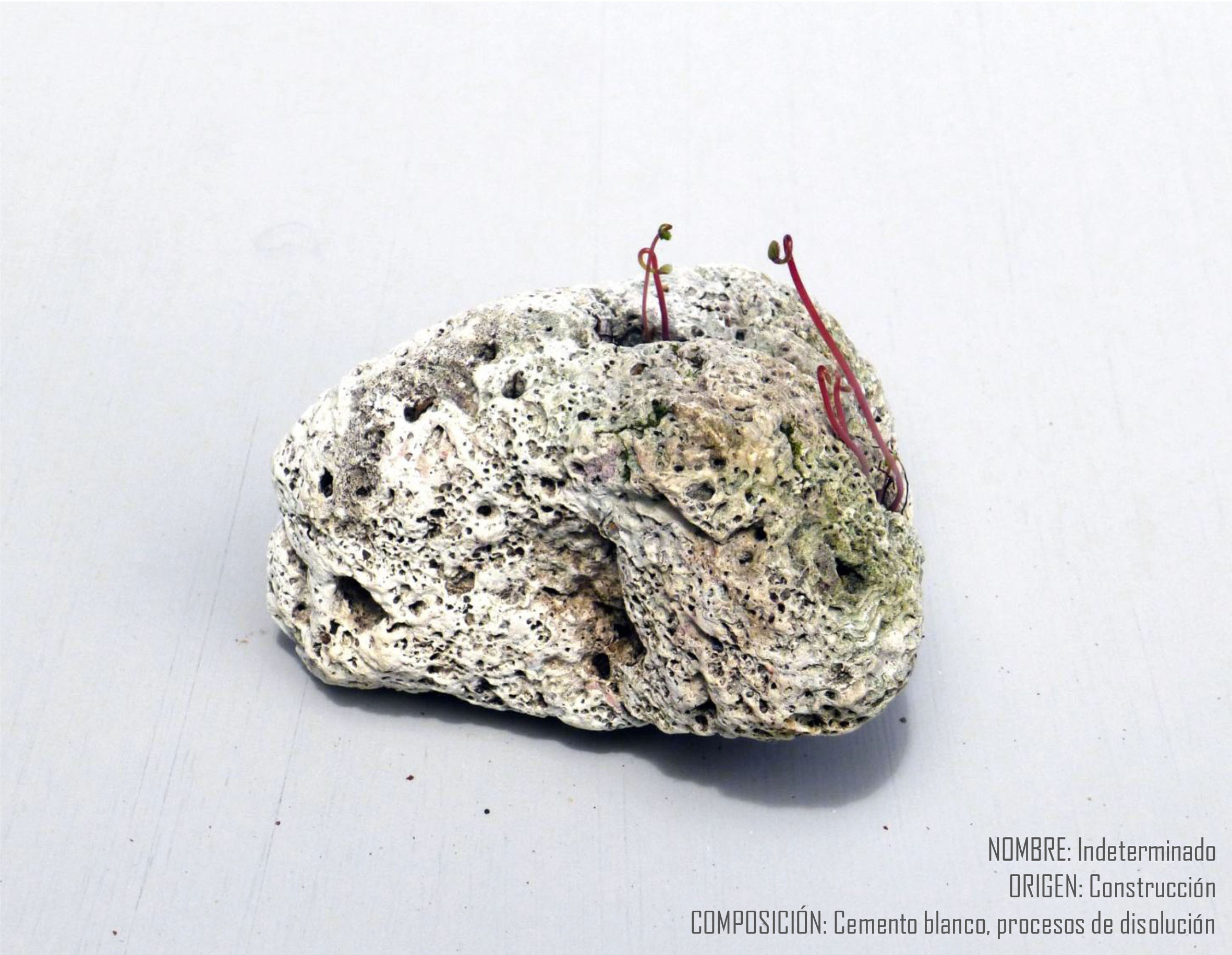
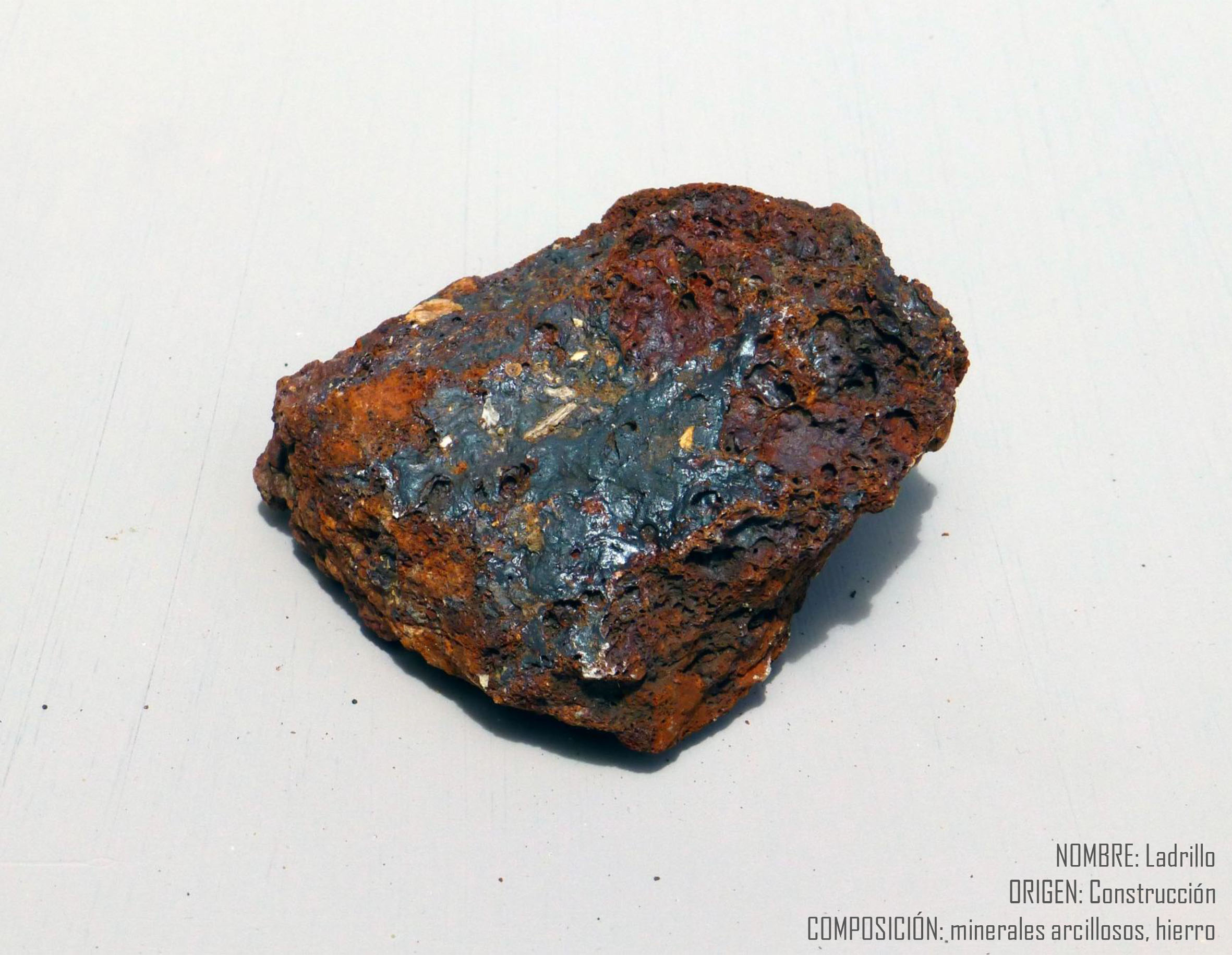
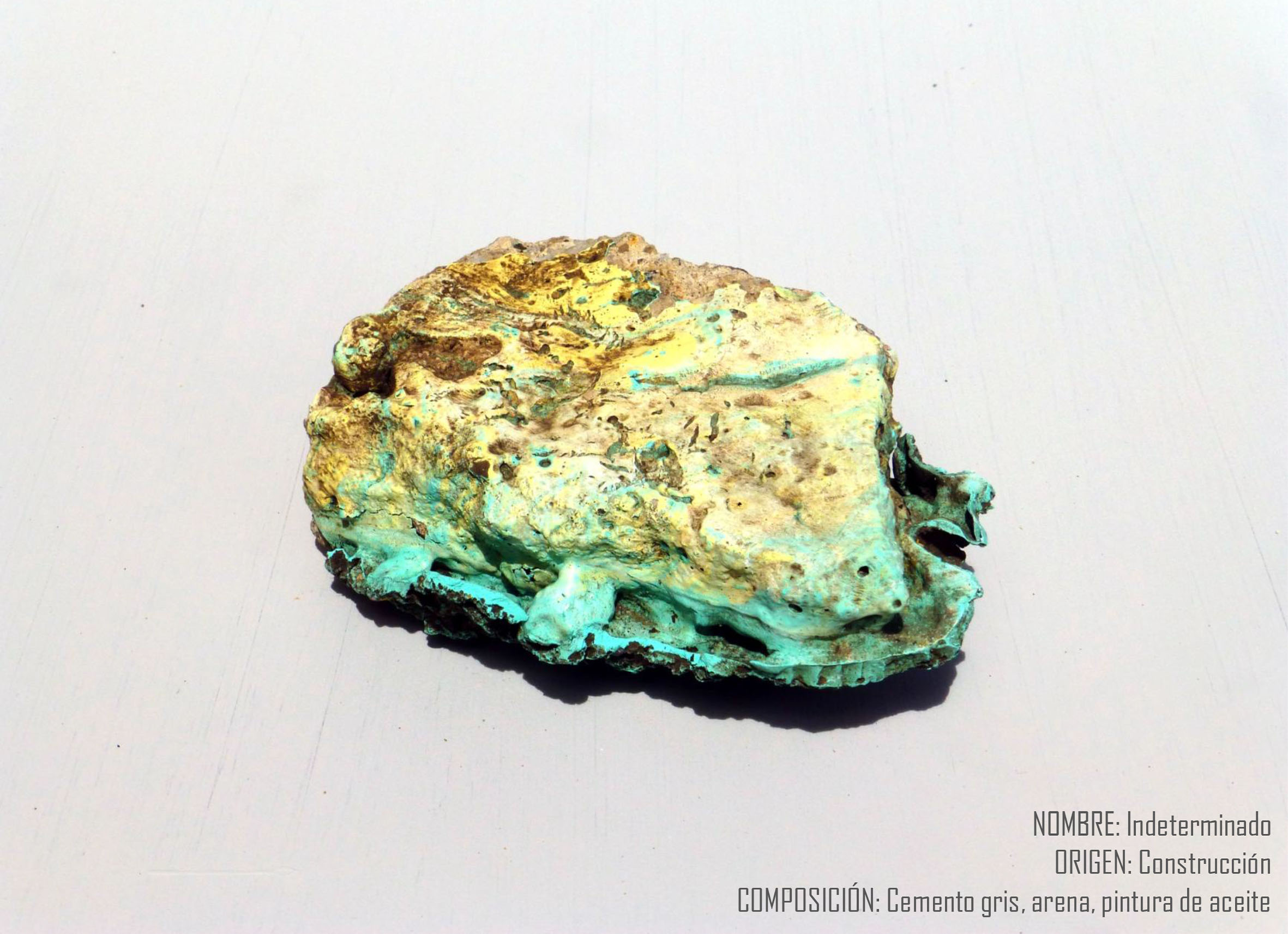
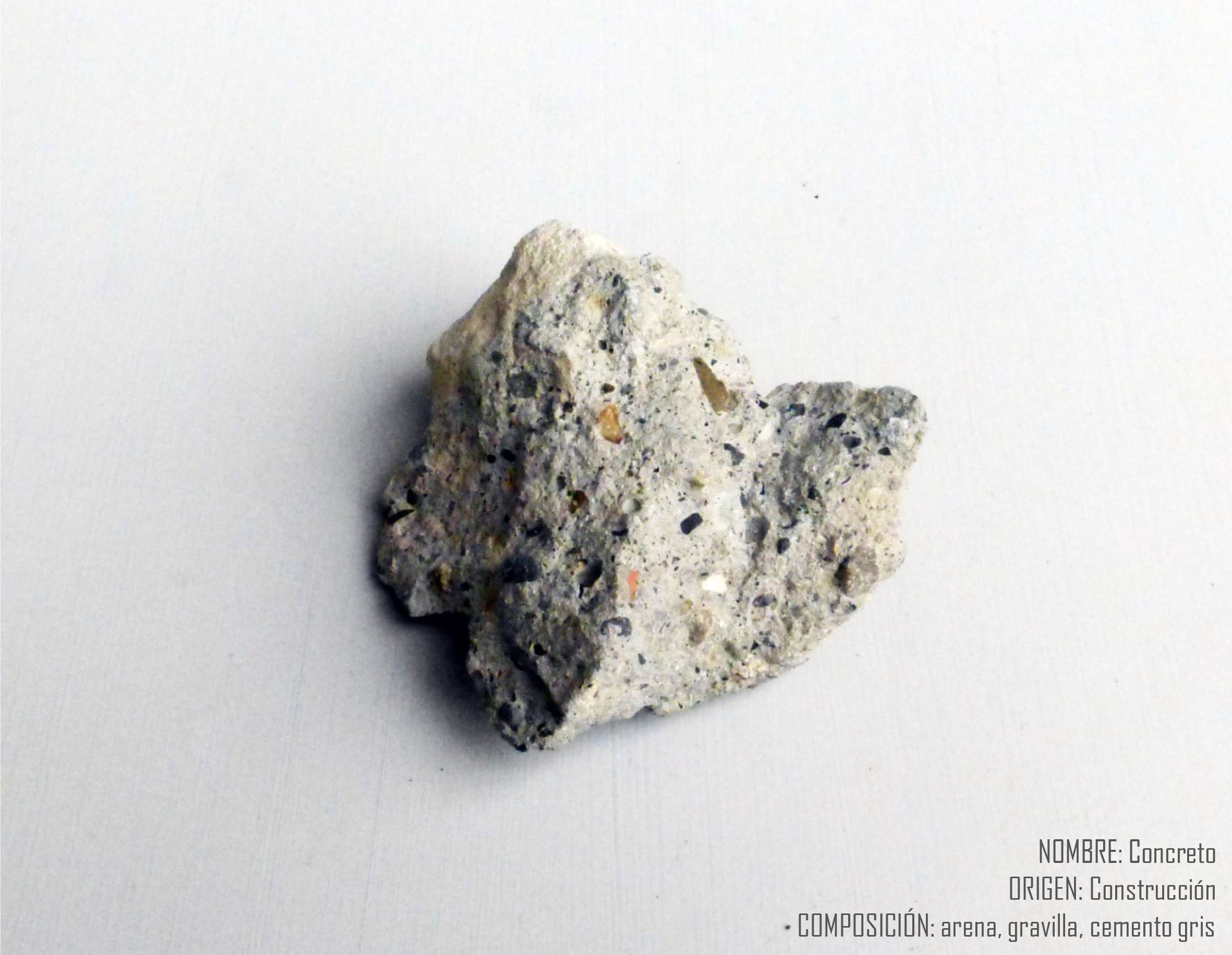
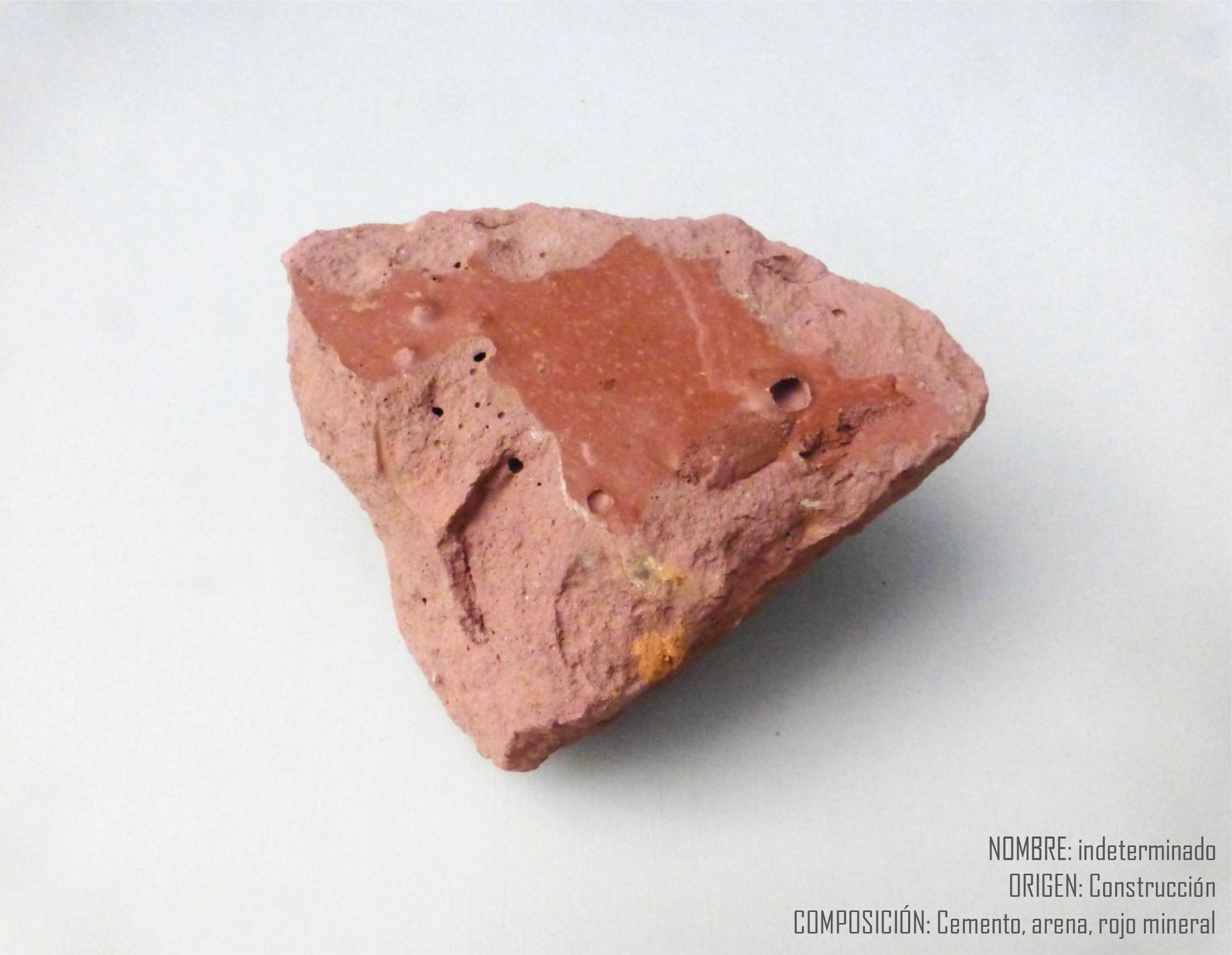
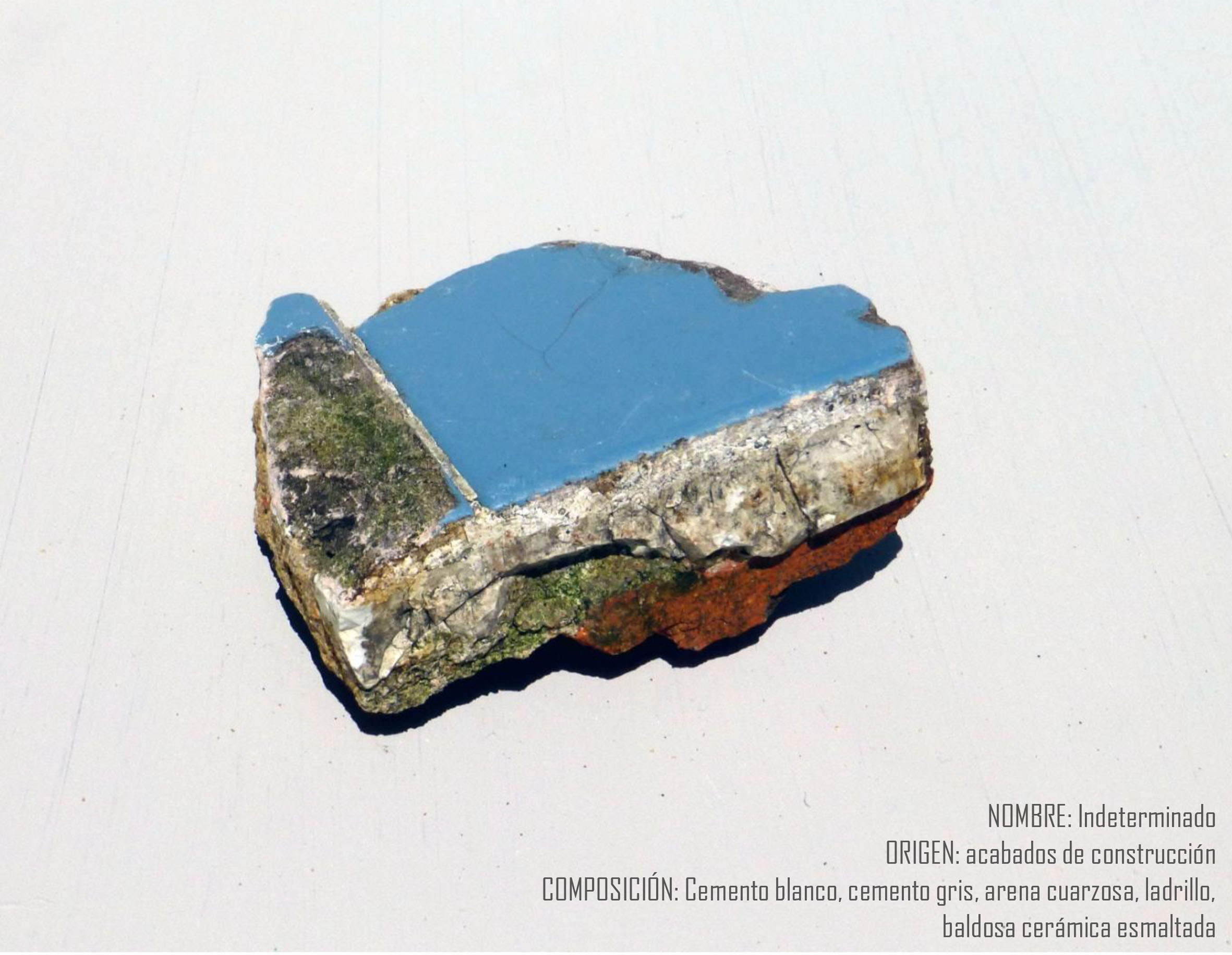
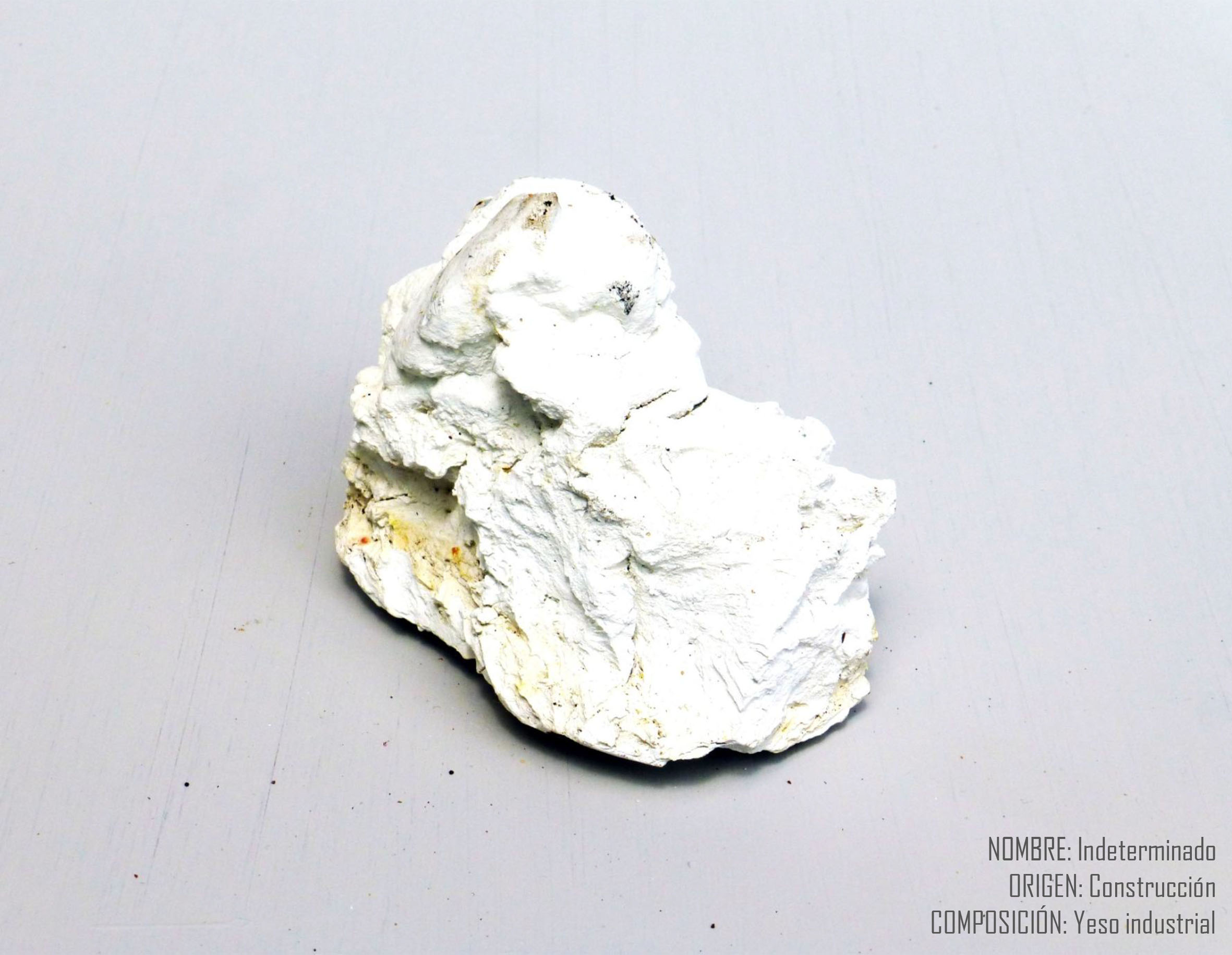
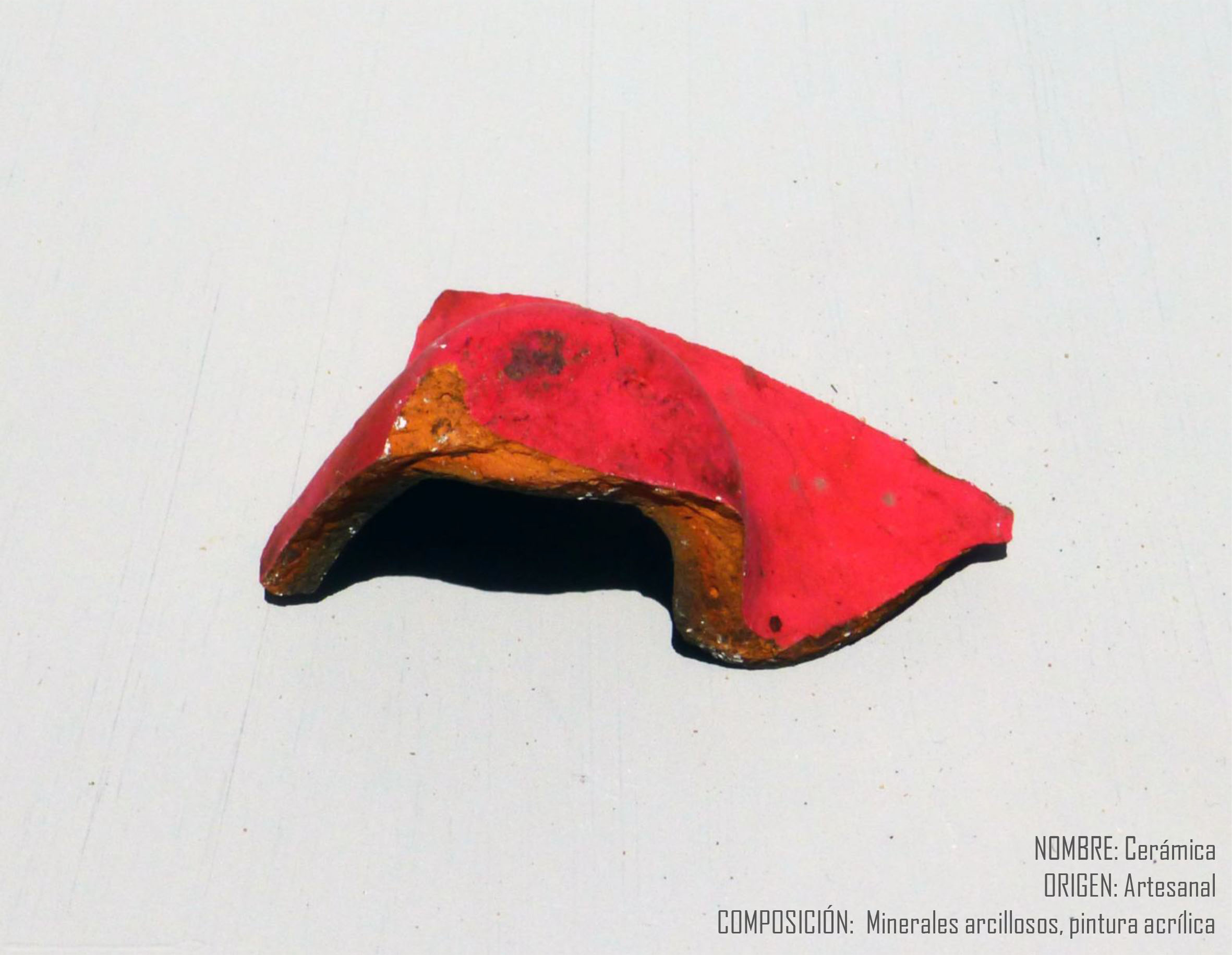
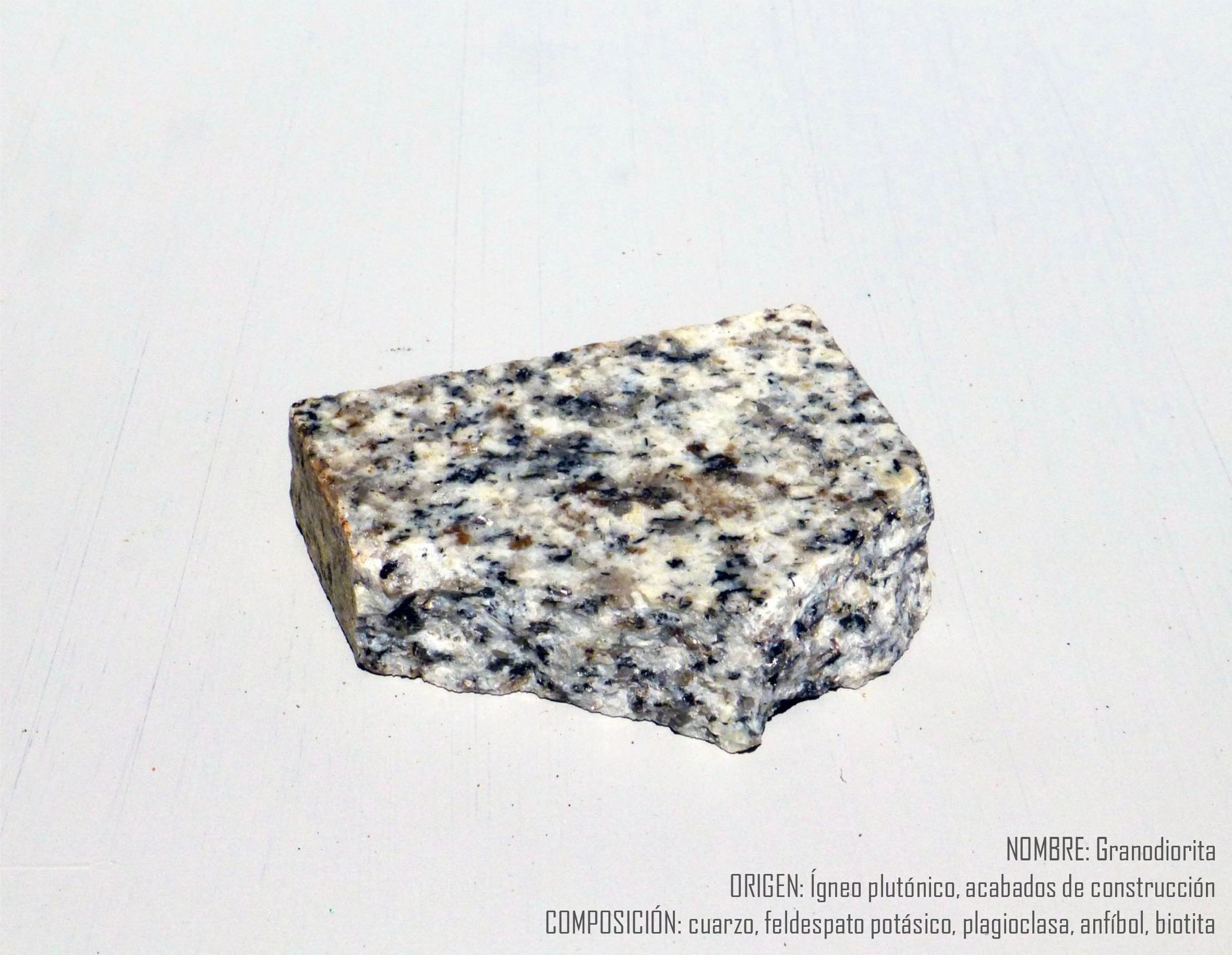
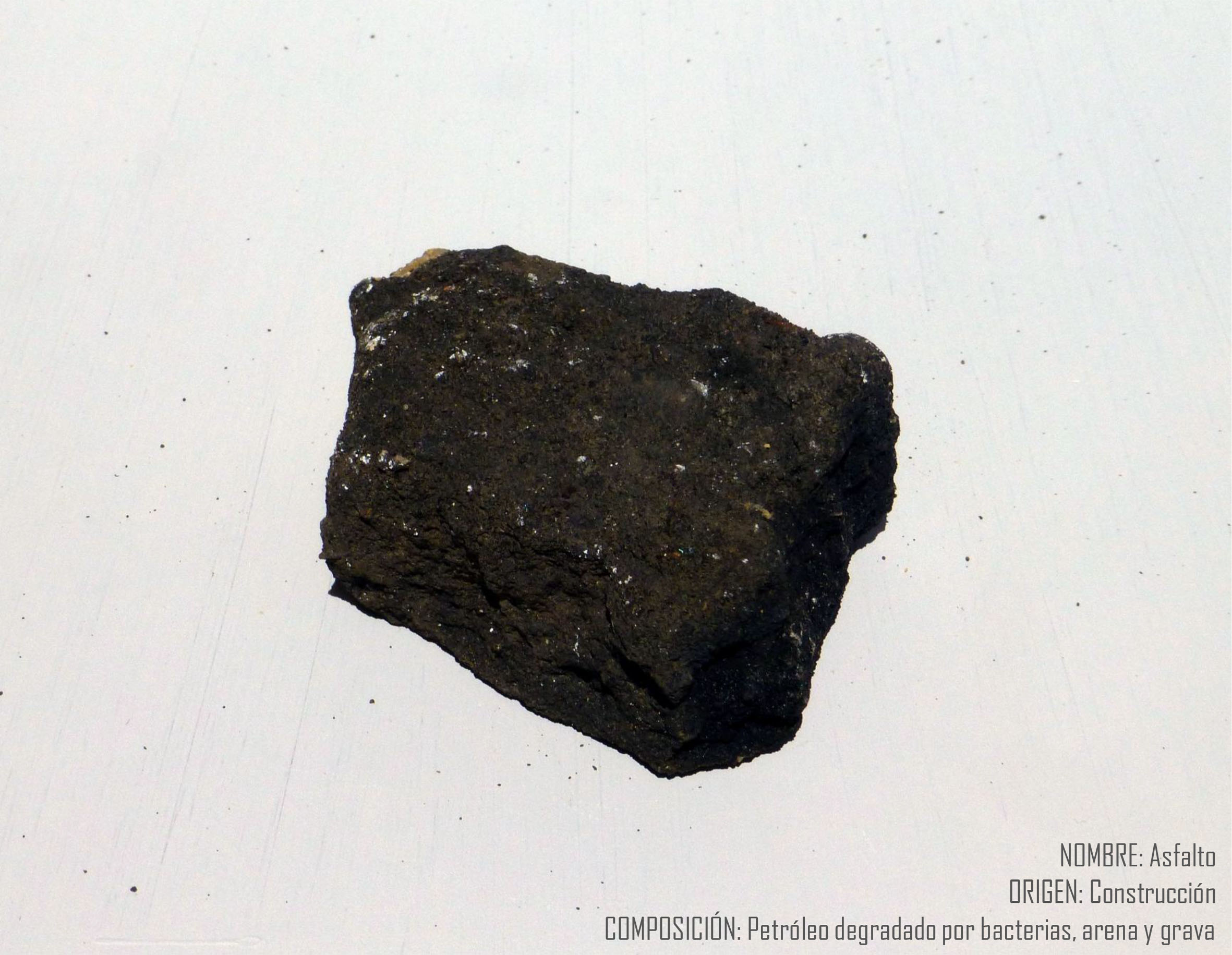
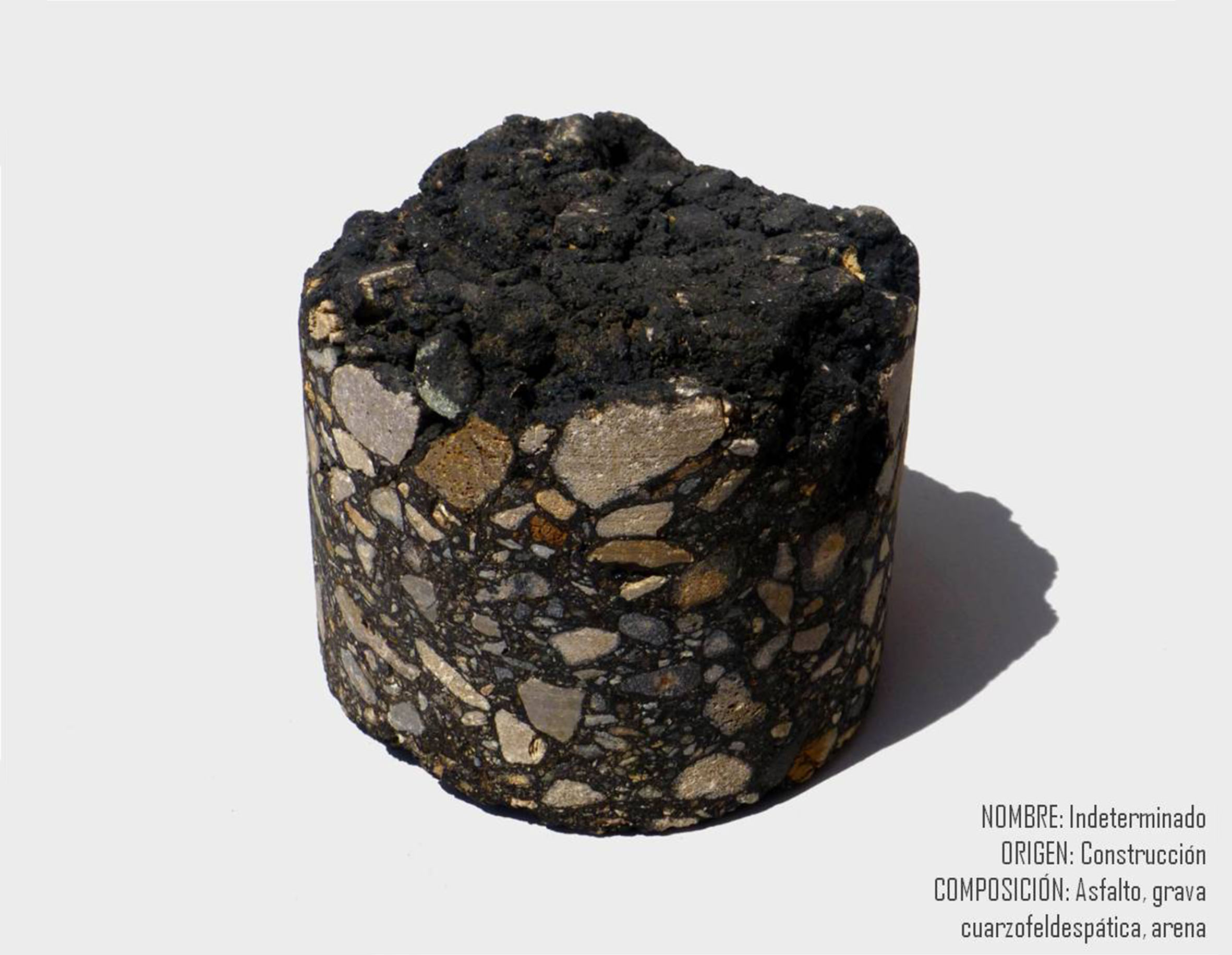
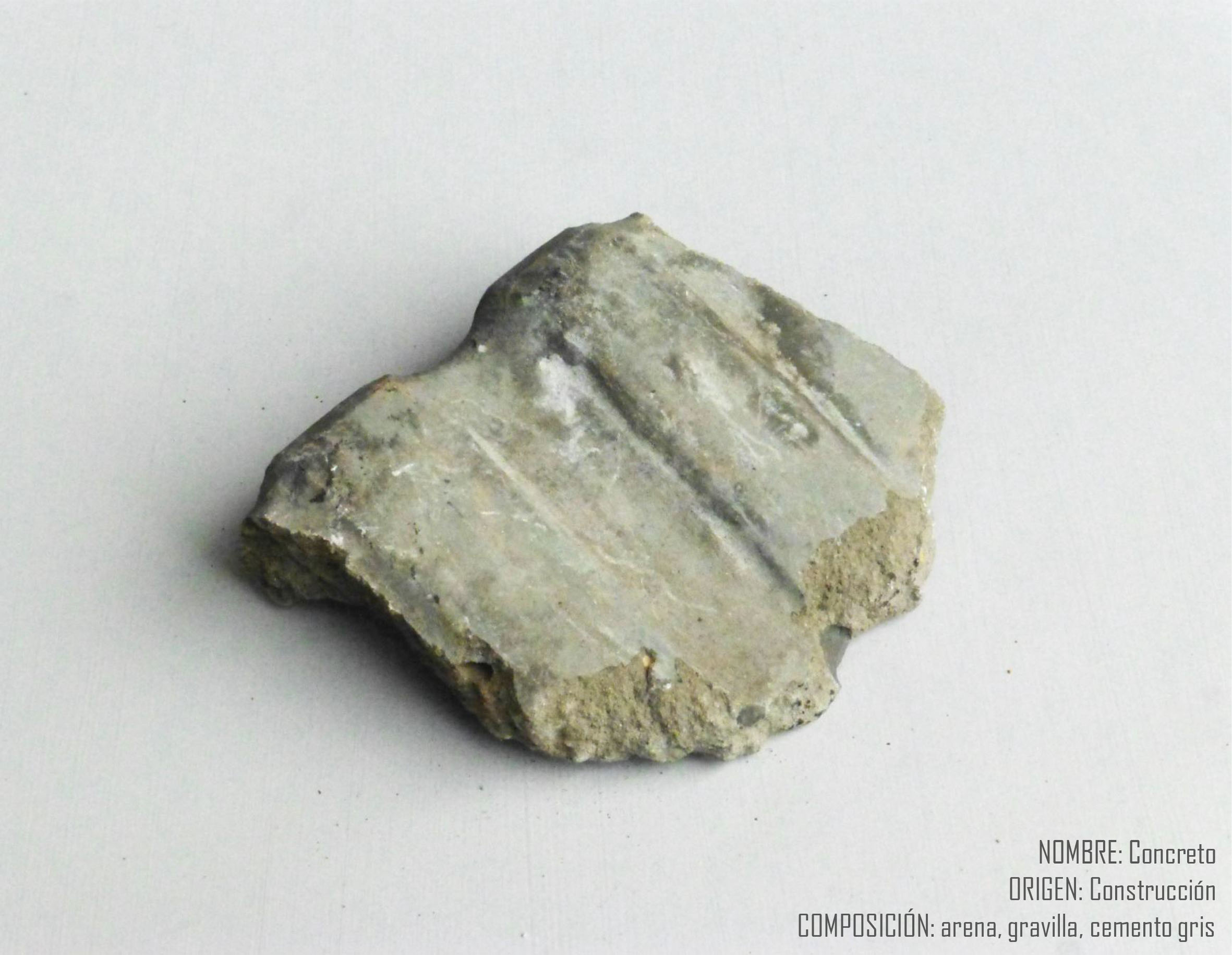
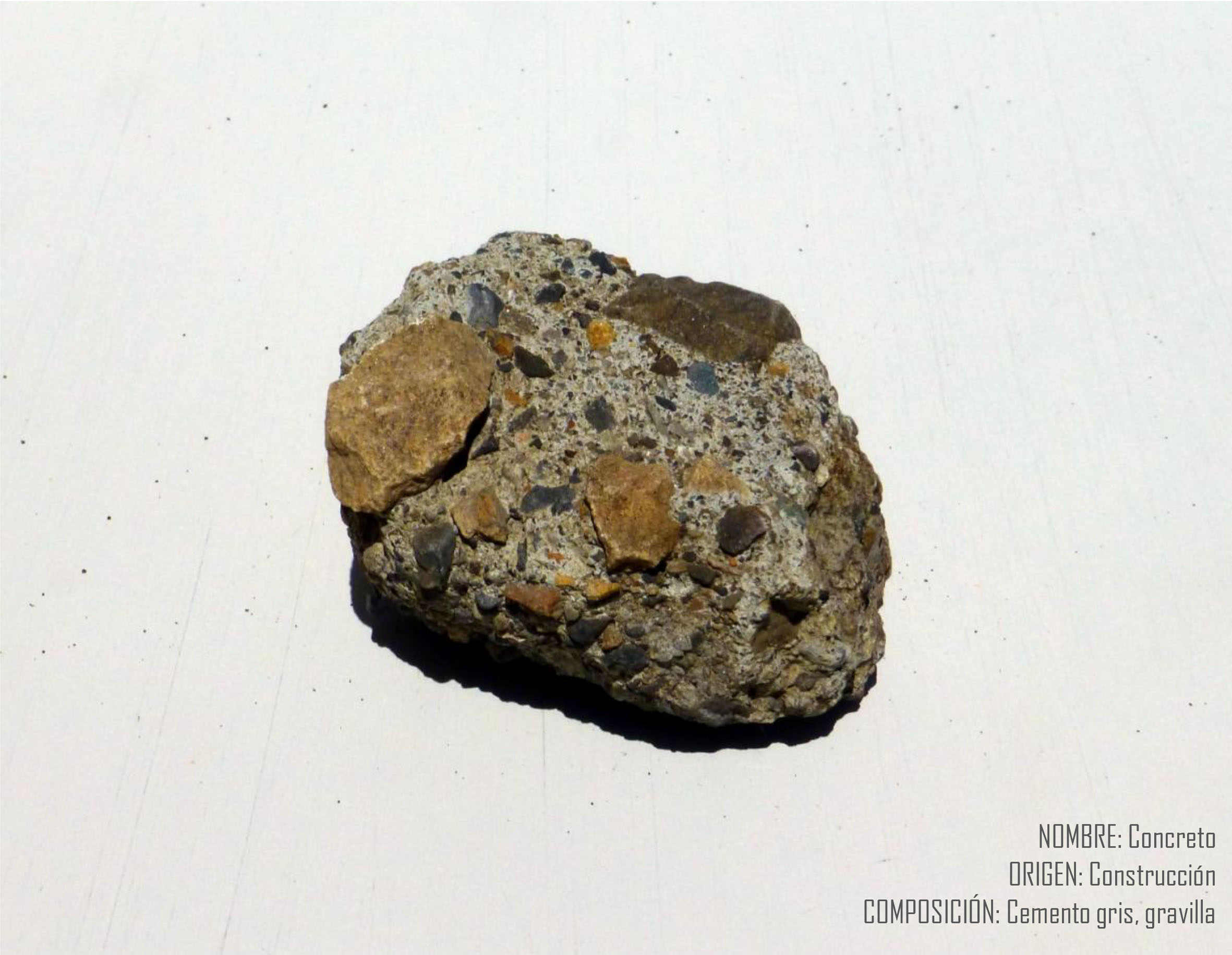
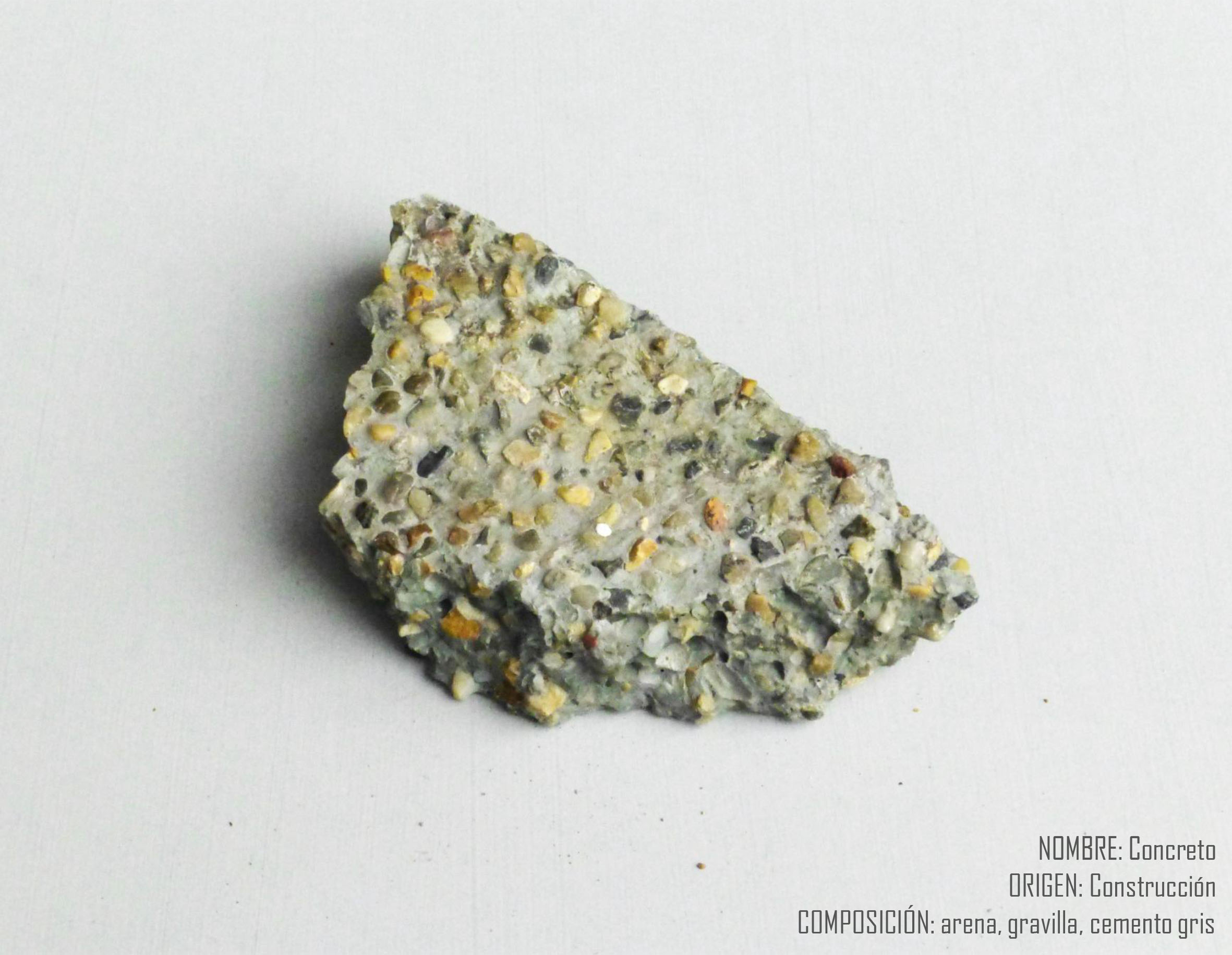
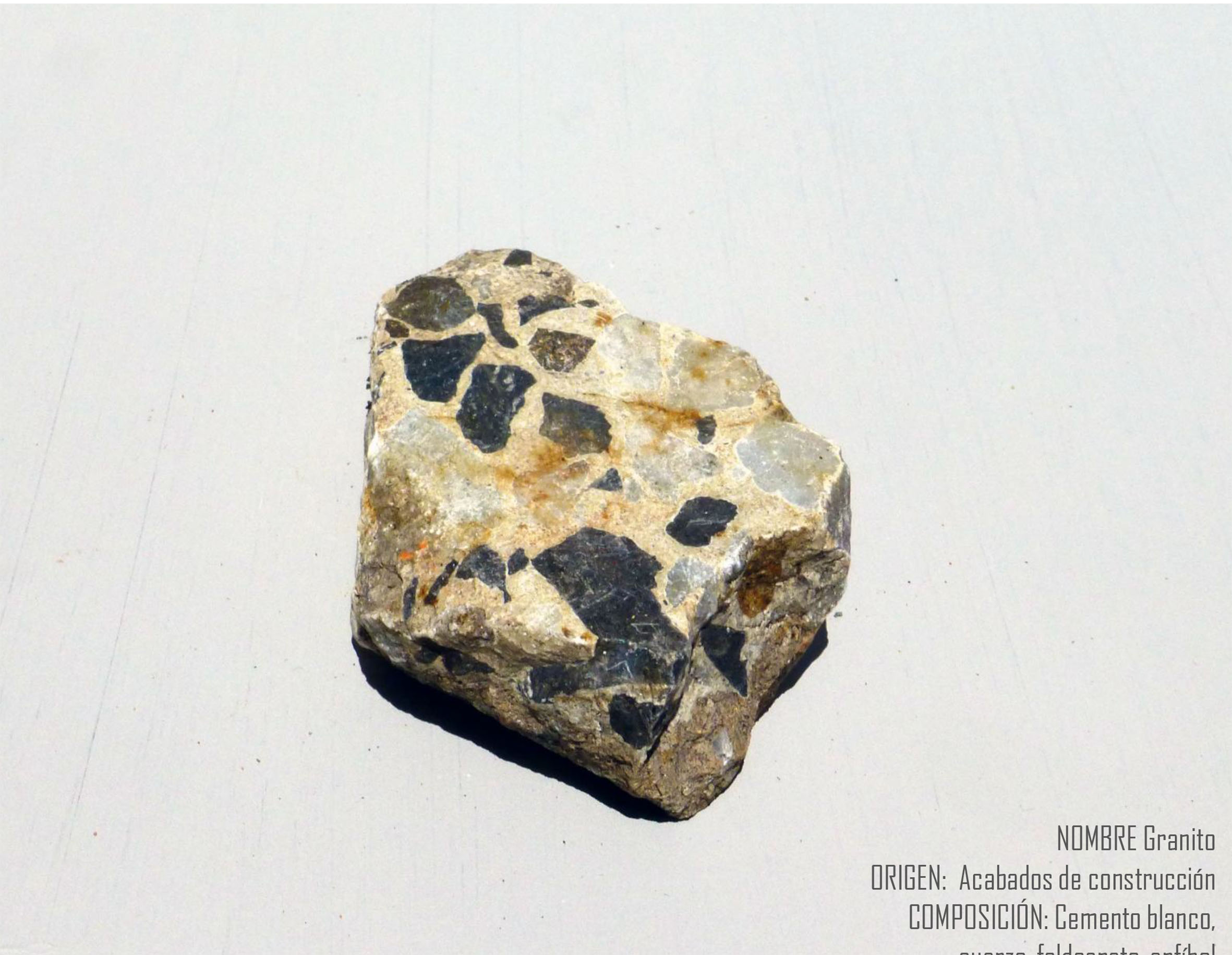
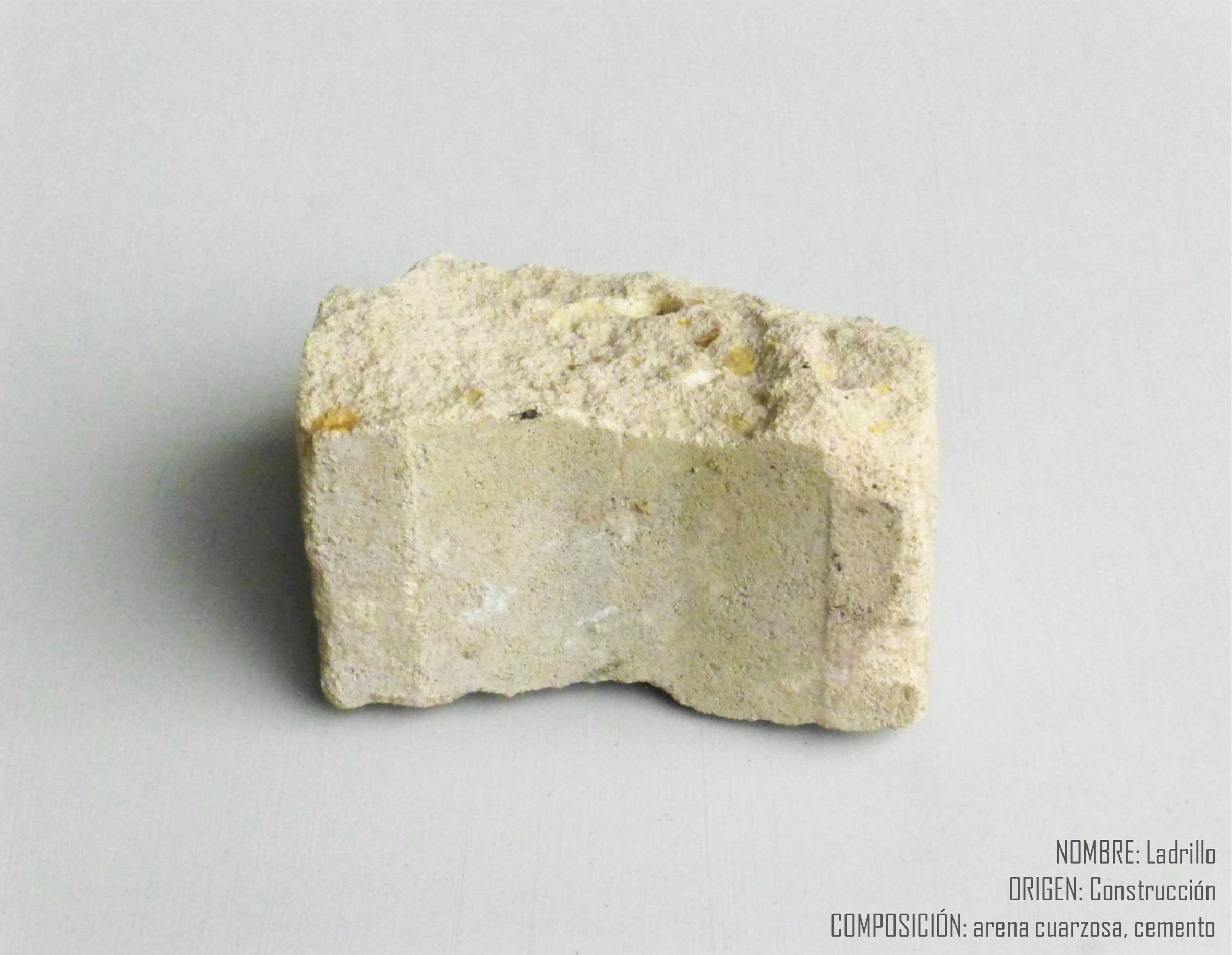
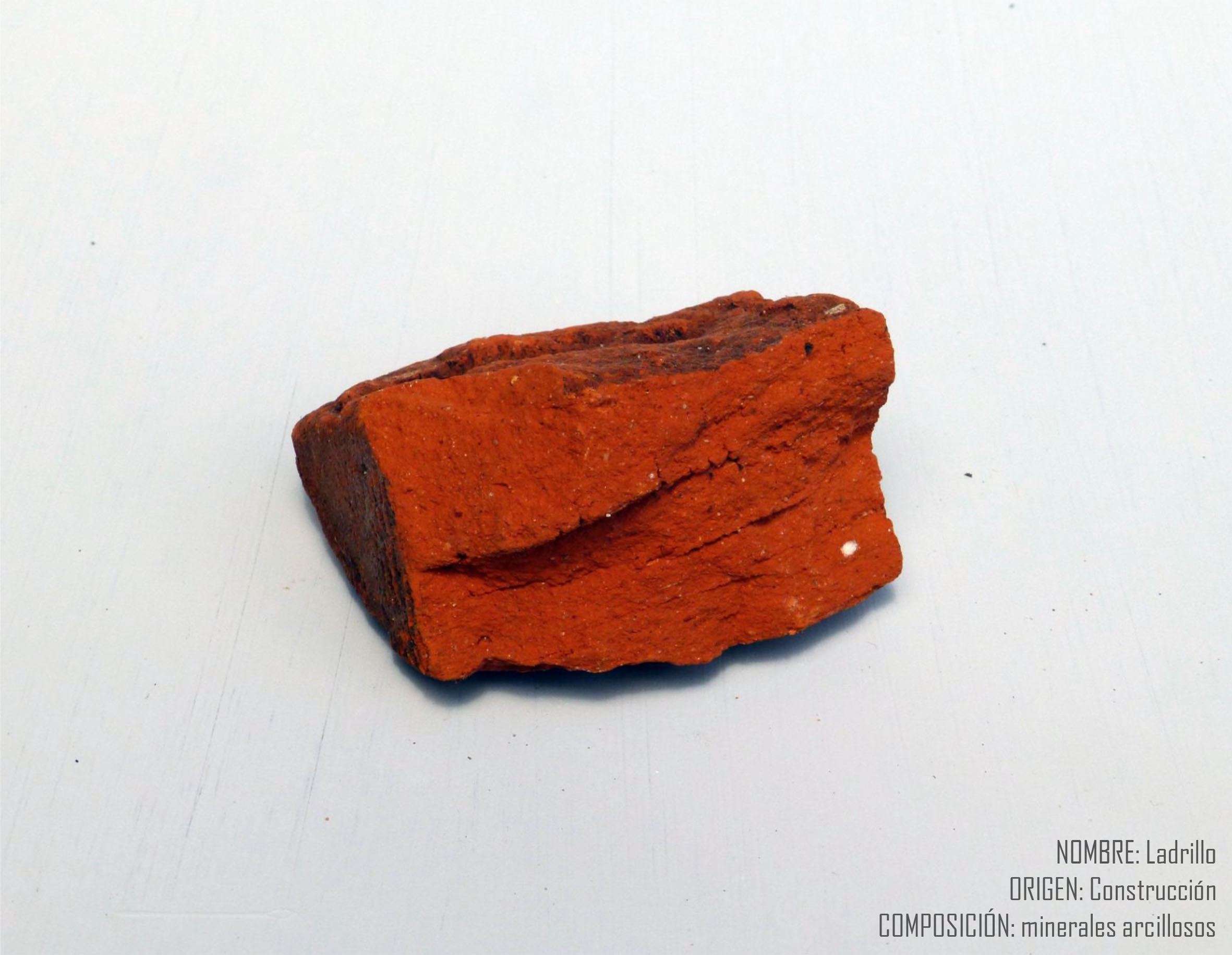
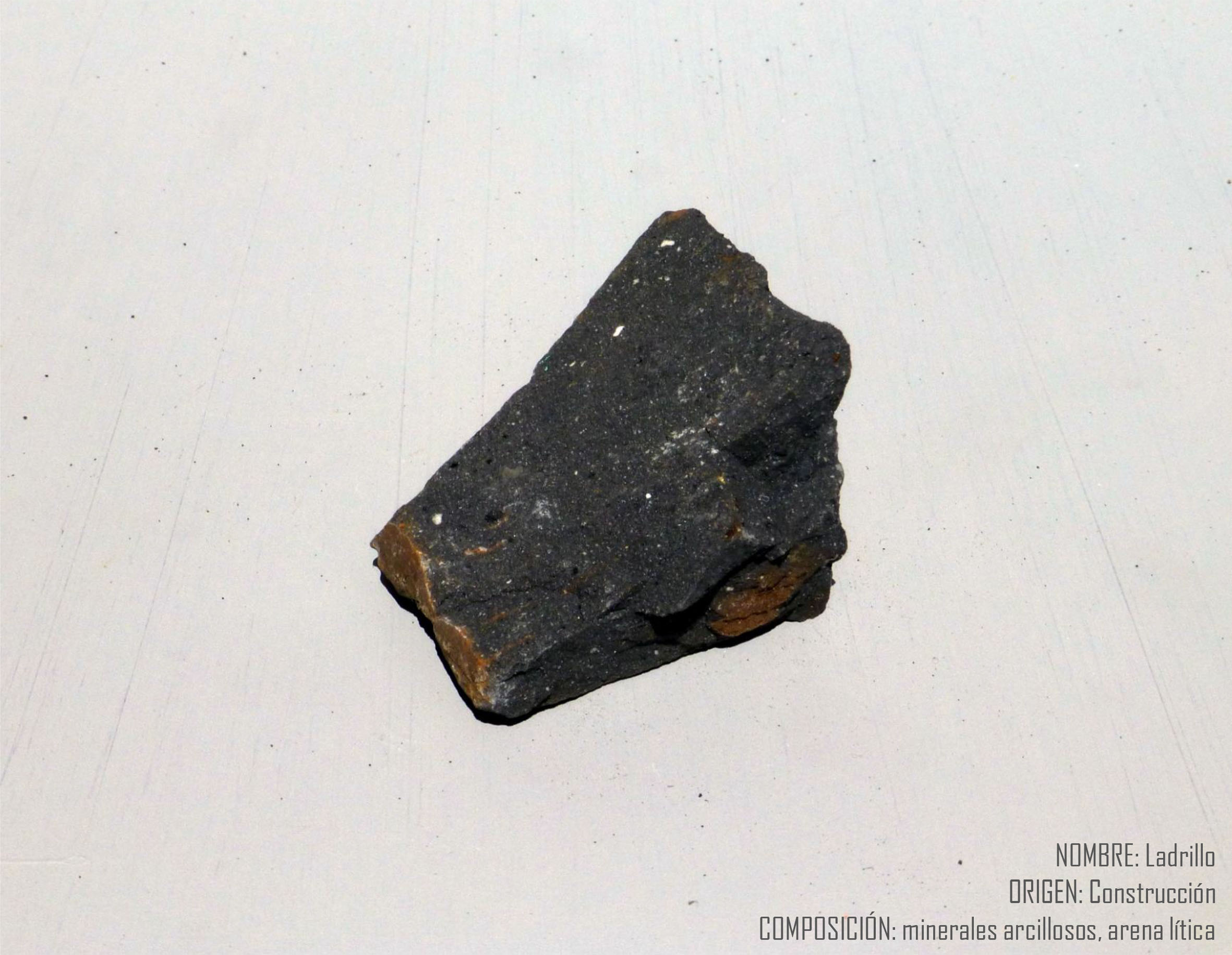
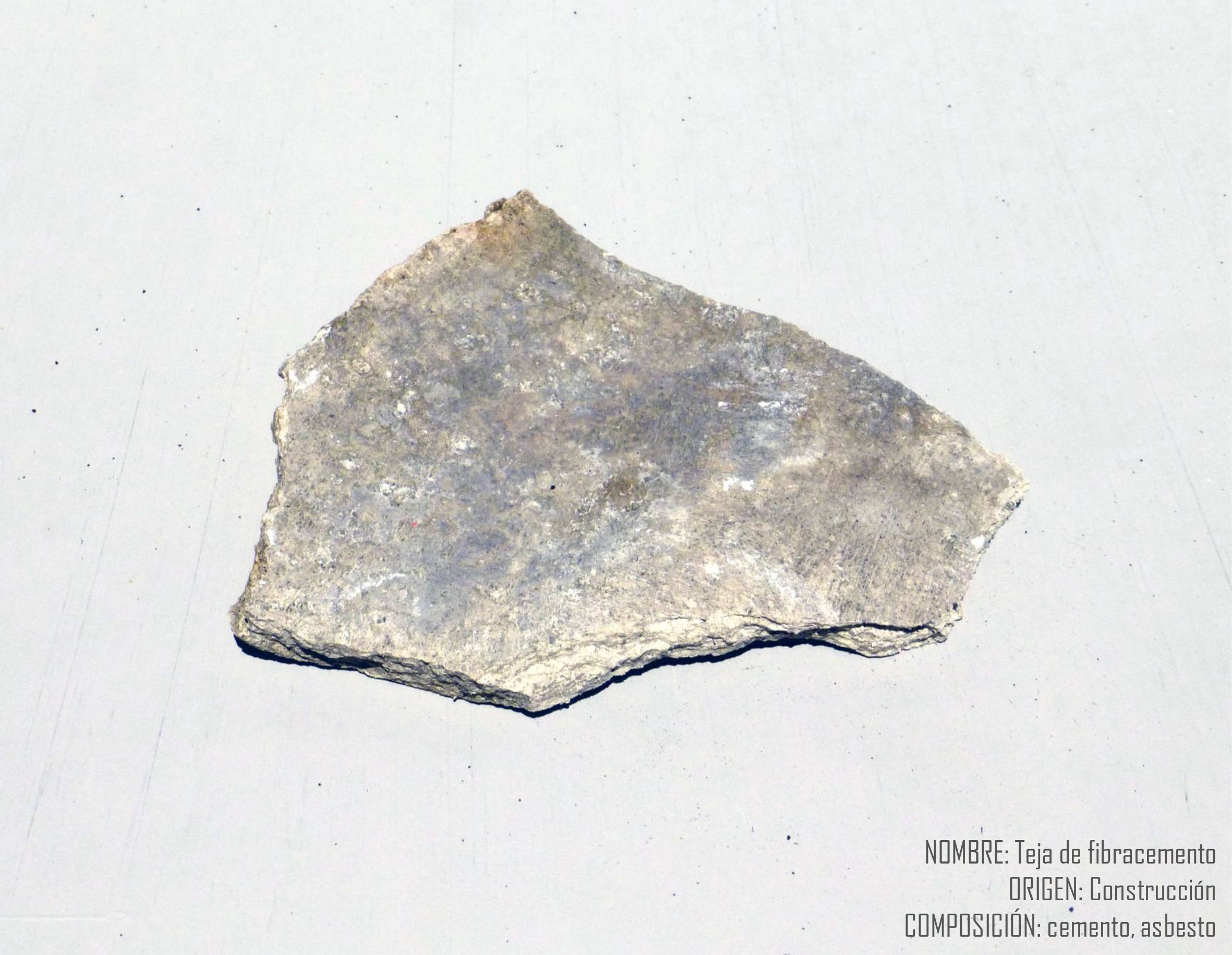
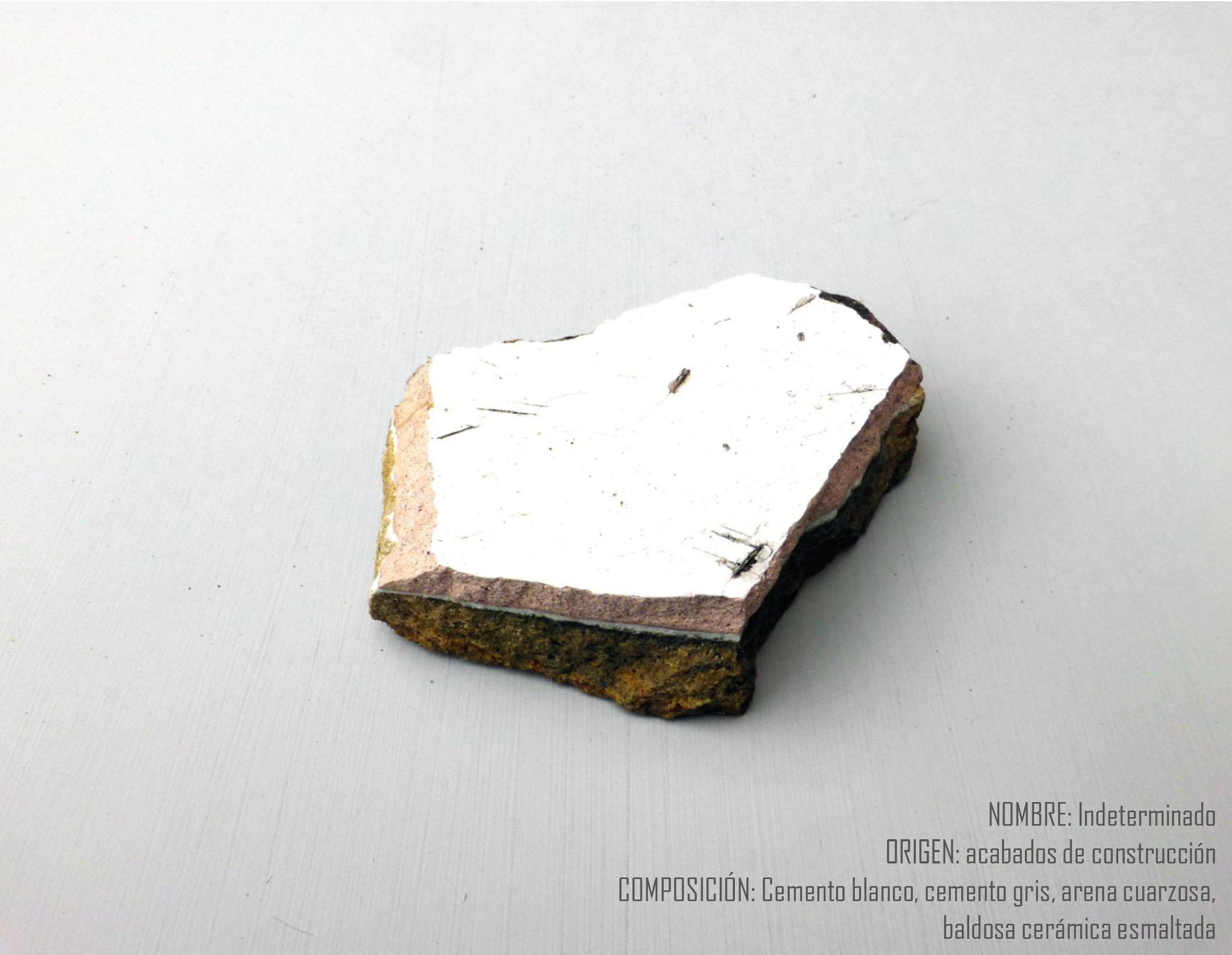
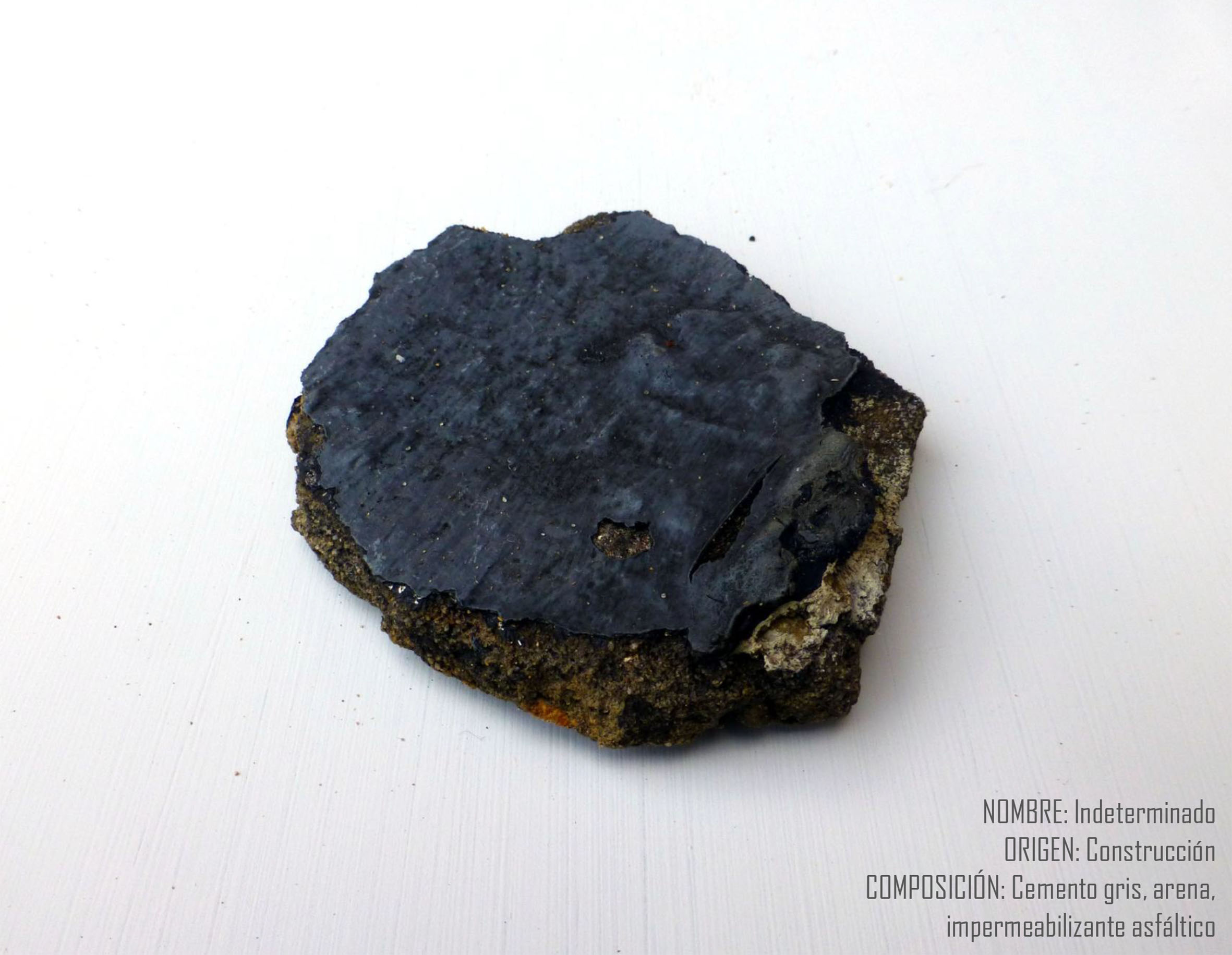
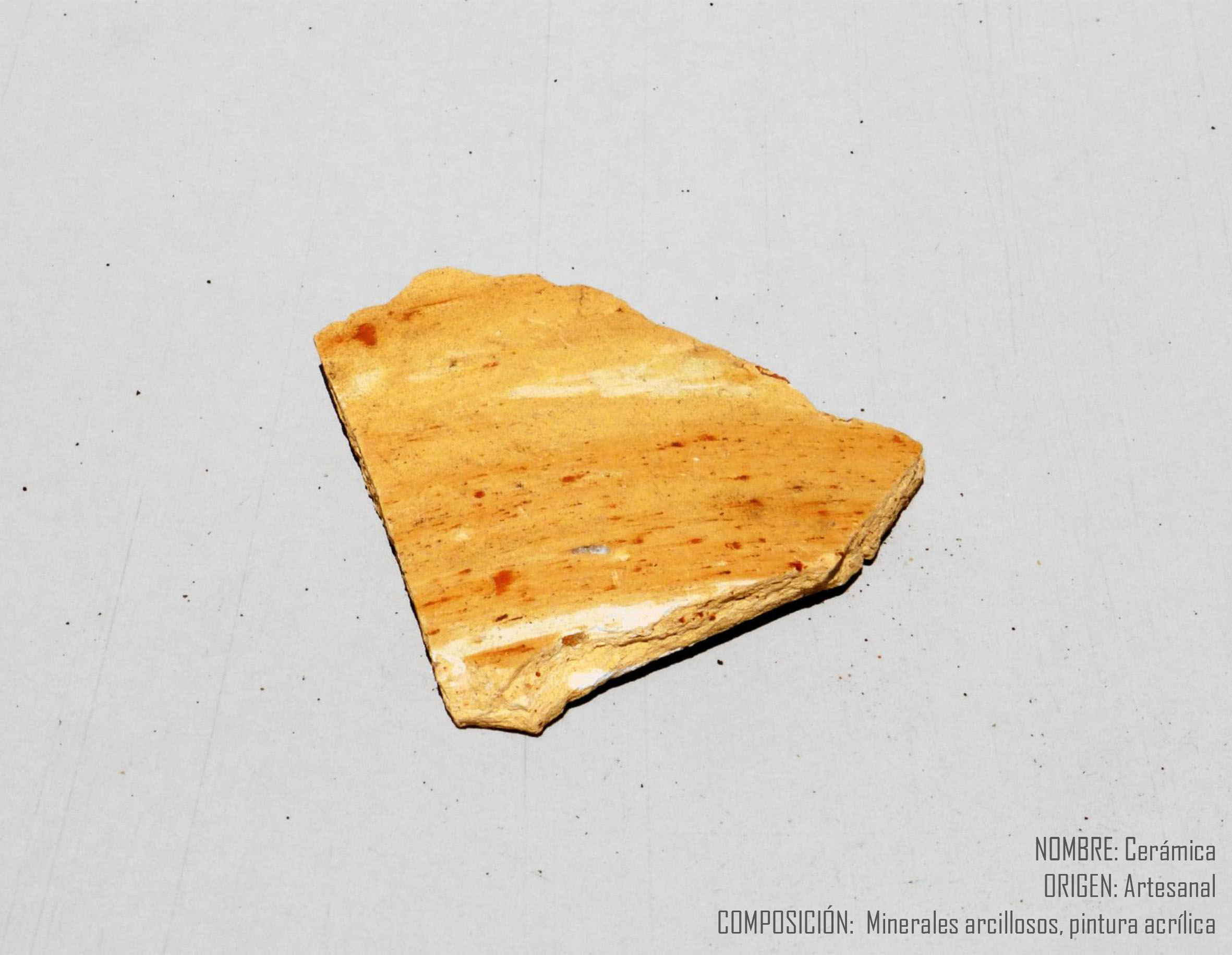
Anthropocenic Rocks, 2023
Collection of rocks and debris; variable dimensions.
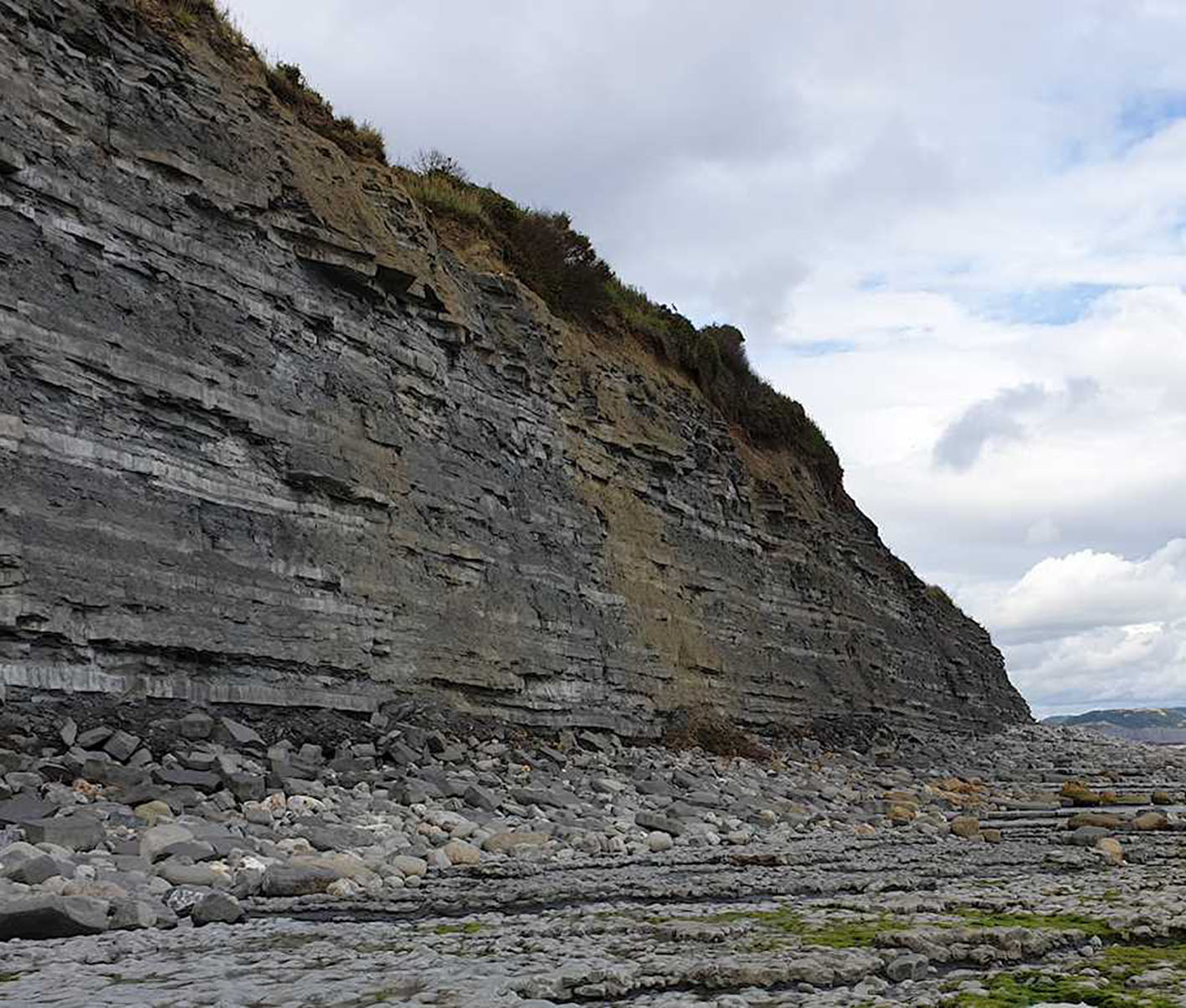
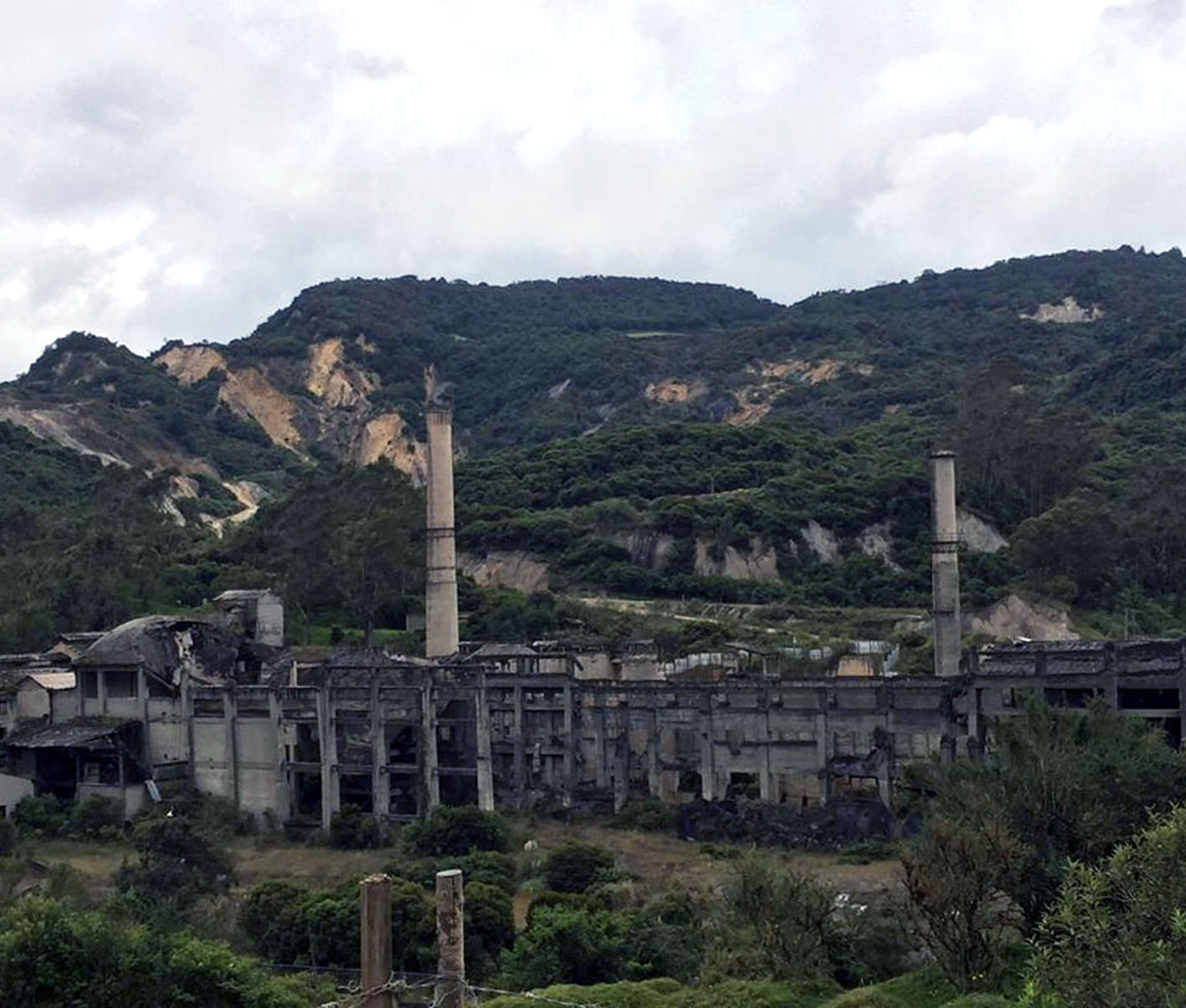
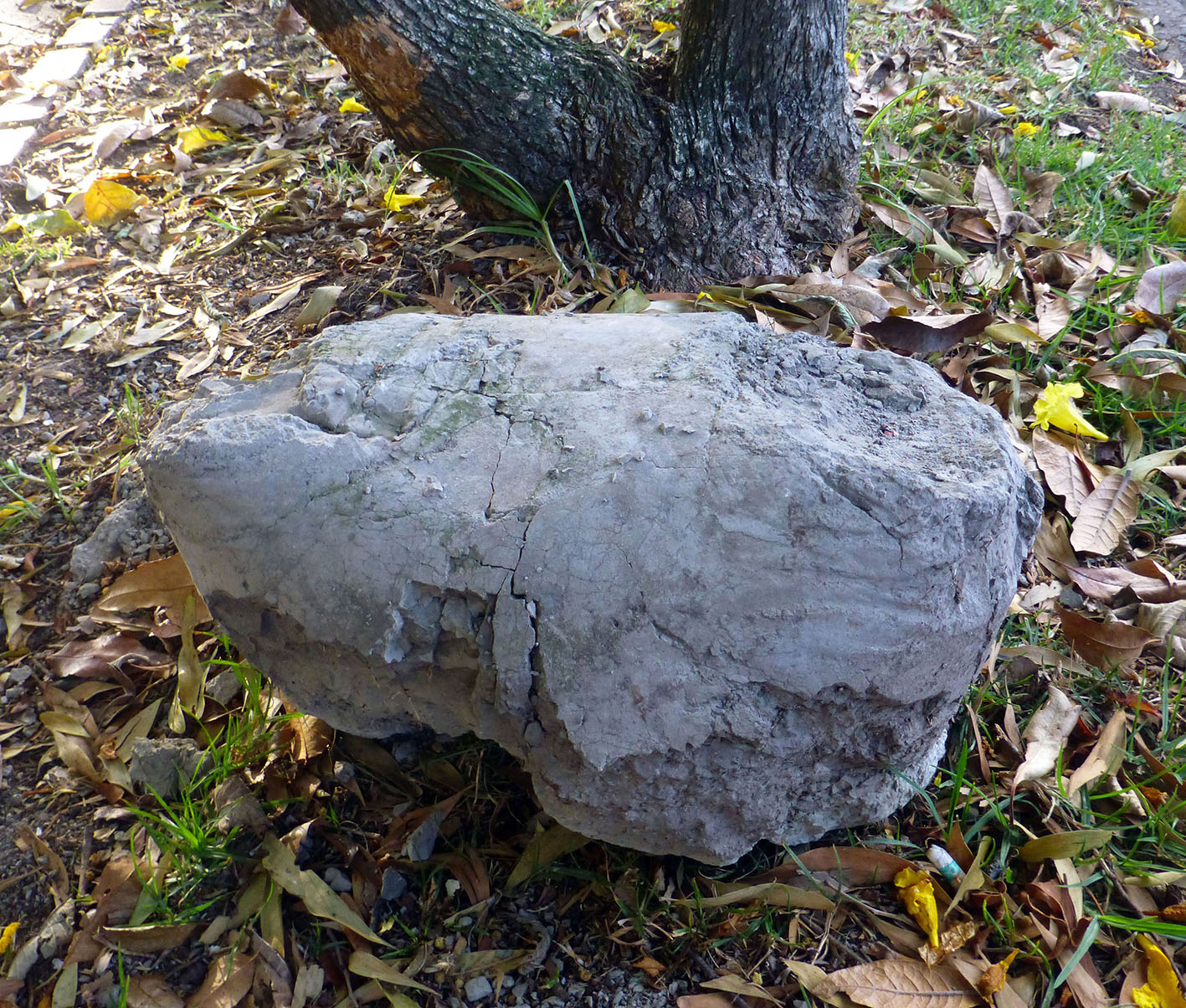
Sedimentary sequence of limestone rocks; abandoned industrial cement plant; gray cement rubble block.
Documentary photography, 2023